
Getting into a car accident as a passenger can be one of the most unsettling experiences. Unlike the driver, you’re not in control of the vehicle, yet you can still walk away with serious injuries, expensive medical bills, and plenty of confusion about what to do next. Many people mistakenly believe that passengers don’t have the same protections as drivers, but that is not true.
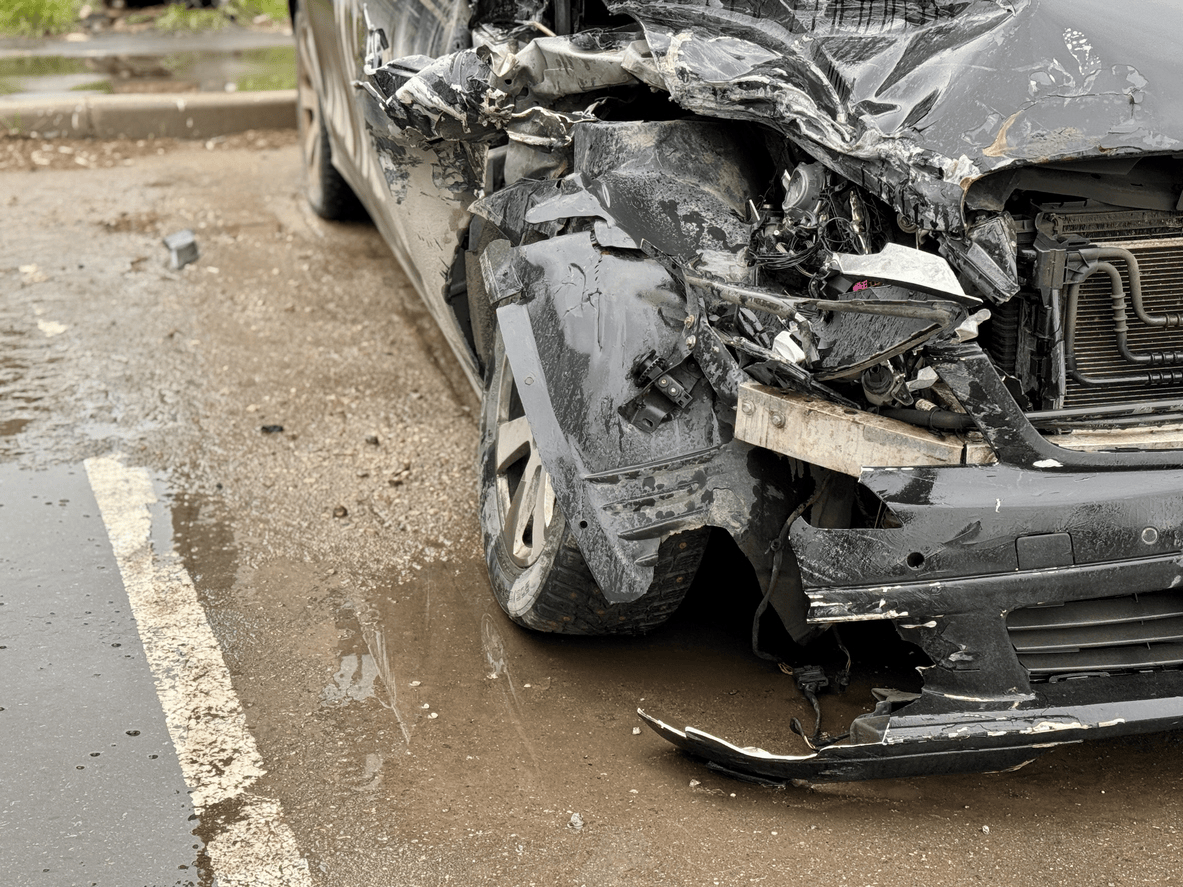
Passengers have essential rights under the law, and knowing what they are can significantly affect their recovery and financial situation. Whether you were injured in a crash involving one car or multiple vehicles, understanding your rights will help you make better decisions about moving forward.
Understanding Your Rights as a Passenger
Sitting in someone else’s car makes it easy to assume you’re just “along for the ride.” But legally, you have rights similar to those of the drivers on the road. If you are injured, you are entitled to seek compensation for those injuries, regardless of whether the driver of your vehicle or another driver was at fault.
Here are some of the fundamental rights you should know:
- The right to medical care: You can seek medical treatment and have those costs covered by insurance or through a personal injury claim.
- The right to pursue compensation: This includes financial recovery for medical expenses, lost wages, damage (like personal items destroyed in the crash), and even pain and suffering.
- The right to legal representation: You can hire a Houston personal injury attorney to guide you through the claims process and protect your interests.
- The right to refuse inadequate settlements: You are not required to accept the first offer from an insurance company if it doesn’t fairly cover your damages.
Seeking Compensation for Injuries
Compensation as a passenger isn’t limited to medical bills alone. Injuries from car accidents can ripple through your life in ways you might not expect. You may lose income if you can’t work, face long-term rehabilitation, or deal with emotional struggles such as anxiety, PTSD, or depression after the crash.
Types of compensation passengers may recover include:
- Medical expenses: ER visits, hospital stays, surgeries, physical therapy, medications, and follow-up care.
- Lost income and reduced earning capacity: If your injuries prevent you from working temporarily or permanently.
- Pain and suffering: Non-economic damages for the physical and emotional toll of the accident.
- Future expenses: Long-term care, rehabilitation, or modifications to your home if your injuries result in disability.
- Loss of enjoyment of life: If your injuries prevent you from enjoying hobbies, activities, or family life the way you used to.
Filing Claims Against At-Fault Parties
One of the first questions injured passengers ask is: “Who pays for my injuries?”
The answer depends on who caused the crash:
- Your driver: If your driver was negligent (distracted driving, speeding, driving under the influence), you may file a claim against their insurance policy.
- Another driver: If another vehicle caused the crash, you can file directly against their liability insurance.
- Both drivers: In accidents where fault is shared, you can pursue both insurance policies for coverage.
Investigations, police reports, and witness statements often determine liability. Multiple parties, such as commercial truck companies, rideshare companies, or even vehicle manufacturers, may share responsibility for defective parts in more complex cases.
Interacting with Insurance Companies
Dealing with insurance companies can feel like a maze. Adjusters often move quickly to settle claims, but their offers may not reflect the actual value of your injuries. Here are key points to remember:
- Don’t rush: Initial settlement offers are almost always lower than you may deserve.
- Be cautious with statements: Anything you say to an adjuster could be used to reduce your claim.
- Gather evidence: Keep copies of medical records, accident reports, and receipts.
- Consider legal help: Having someone negotiate on your behalf often results in a higher settlement.
Insurance companies may appear friendly, but their primary goal is protecting their bottom line, not your well-being.
Pursuing Compensation After an Accident
There are several different ways passengers can pursue compensation:
Filing a Claim with Your Driver’s Insurance
If the driver you were with caused the accident, their liability insurance should cover your damages. Even if you are related to the driver (spouse, sibling, parent), you may still qualify for coverage, though some exclusions can apply depending on the policy.
Filing a Claim with the Other Driver’s Insurance
If another driver caused the crash, you would pursue their liability insurance. This requires documenting your injuries, medical bills, and how the accident has impacted your life.
Filing Claims When Both Drivers Share Liability
Filing with both insurers may be necessary to cover your total damages in cases of shared fault. This is especially important when one policy’s limits are insufficient to cover severe injuries.
Legal Recourse and Representation
The Right to Legal Representation
Hiring a lawyer can be one of the most important decisions you make after a crash. A lawyer can:
- Collect evidence to strengthen your case
- Communicate directly with insurers
- Evaluate settlement offers
- Represent you in court if necessary
When to Consider a Lawsuit
If negotiations fail, you can file a lawsuit against the at-fault party. This typically happens when:
- Insurance companies deny your claim outright
- Offers are far below your actual damages
- Liability is disputed between multiple parties
While lawsuits can take time, they may be the only way to ensure you are fully compensated.
Passenger’s Role in Accident Liability
Passengers are rarely blamed for accidents, but it’s not impossible. A few scenarios where passenger actions may affect liability include:
- Distracting the driver (grabbing the wheel, shouting, or obstructing their view).
- Encouraging reckless behavior (urging the driver to speed or take risks).
- Interfering with vehicle controls.
- Knowingly riding with an impaired driver.
Your compensation could be reduced under “shared fault” rules in these cases. Still, most passenger claims focus on driver negligence, not passenger conduct.
Key Considerations for Passengers
- Refusing inadequate settlement offers: Don’t let pressure from insurers push you into accepting too little.
- Maintaining your right to trial: The court system is available if insurers won’t negotiate fairly.
- Staying informed: Keep copies of accident reports, medical records, and insurance correspondence. Staying organized helps avoid mistakes that can weaken your claim.
Specific Situations and Coverage
Dealing with Uninsured or Underinsured Drivers
If the driver responsible doesn’t have enough insurance, you may need to rely on uninsured/underinsured motorist coverage (UM/UIM). This can apply even if you weren’t the driver and sometimes even if you were riding in someone else’s car.
Rideshare Passenger Rights
Rideshare accidents can be tricky. Uber and Lyft provide layered insurance policies:
- Driver not logged in: No company coverage.
- The driver is logged in but is waiting for a ride: Limited coverage.
- Driver transporting a passenger: Up to $1 million in liability coverage.
As a passenger, you may need to file a lawsuit against the rideshare company’s policy, the driver’s insurance, or both.
Understanding No-Fault Insurance Laws
In no-fault states, passengers often use Personal Injury Protection (PIP) coverage first. PIP can come from:
- Your own policy (if you have one).
- A family member’s policy (if you live together).
- The driver’s policy (if no other PIP is available).
No-fault coverage is limited, but in cases of severe injury, you may sue the responsible driver outside the system.
Contact an Attorney If You Are An Injured Passenger
If you’ve been injured as a passenger in a car accident, remember that you have rights. From seeking compensation for your injuries to understanding how to deal with insurance companies, it’s crucial to stay informed and seek help when necessary.
If you’ve been involved in a car accident, don’t hesitate to contact an experienced legal team to guide you through the process. Contact our team at Car Wreck Texas today to get started and ensure you get the compensation you deserve.
This version aims to present the information in a more natural, conversational style while keeping the content informative and helpful.
