
Unfortunately, car accidents in Texas are common, and the aftermath can be overwhelming. Filing a personal injury claim requires solid evidence to prove fault, and one critical piece of this evidence is witness statements.
These statements can significantly impact the outcome of a claim, especially in a state like Texas, where comparative negligence is considered. Understanding why witness statements are crucial can help ensure that the best possible evidence supports your personal injury case.
What Makes Witness Statements Valuable in Texas Personal Injury Claims?
Witness statements are often used as robust supporting evidence in personal injury claims. They can provide an independent account of the accident, which may help clarify the events leading up to the collision. In many cases, a witness statement may be the deciding factor, particularly if there is a dispute about who was at fault.
Witnesses can describe various aspects of the accident, such as the speed of the vehicles, traffic conditions, or any behavior that might have contributed to the crash. These details can strengthen your argument and offer a clearer picture of what happened.
In Texas, where car accident laws follow a comparative negligence rule, strong witness statements become even more crucial. In this system, fault can be shared among the parties involved, and each party’s percentage of fault will impact the compensation they receive. A witness who can back up your version of events can ensure that the court understands who is primarily responsible for the accident.
Can Witness Statements Affect the Outcome of My Claim?
One common question many car accident victims have is whether witness statements can genuinely affect the outcome of their personal injury claim. The short answer is yes. When filing a claim, the more evidence you have supporting your version of the events, the stronger your case will be. This is particularly important if the other party denies liability or provides a different version of the incident.
For example, if the driver who caused the accident claims they had the green light while you were already in the intersection, a witness who confirms you had the right of way can shift the case in your favor. A reliable witness who can testify to key facts contradicting the other driver’s version of events can provide a significant advantage.
Witness statements can also be important in cases without direct evidence, such as rear-end collisions or hit-and-run accidents. In these situations, having witnesses who saw the crash or the vehicle responsible can help ensure that justice is served.
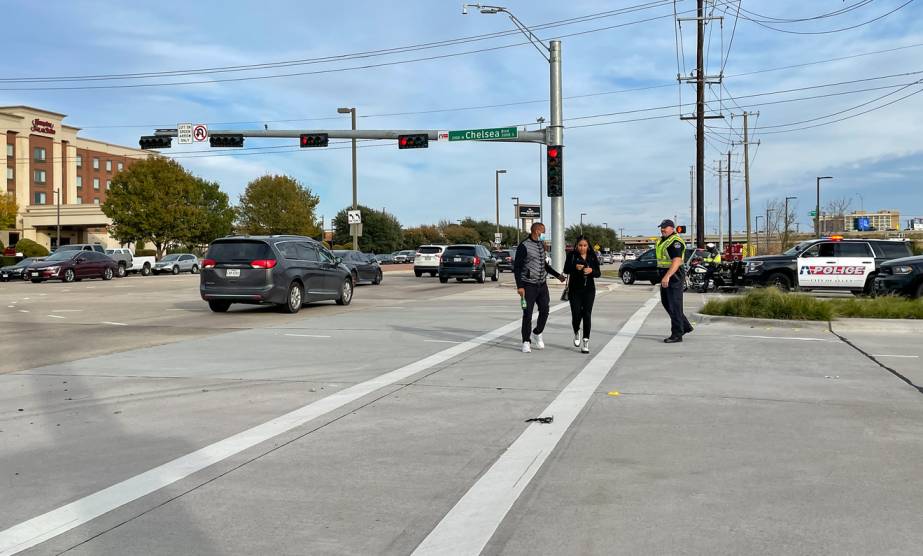
What Information Should Witness Statements Contain?
To be useful in your personal injury case, witness statements must be clear and thorough. A good witness statement will typically include the following details:
- The witness’s identity: Full name, address, and contact information.
- Their relationship to the accident: Whether they were a pedestrian, another driver, or a bystander.
- What they saw or heard: Specific details about the crash, such as the position of the vehicles, any traffic violations, or unusual driving behaviors leading up to the collision.
- Time and location: Exact details about when and where the accident occurred.
This kind of detailed information can significantly increase the credibility of a witness statement. If the witness can give a clear and consistent account of the accident, their testimony can be strong evidence in your case.
What If There Are No Witnesses to My Accident?
Not all accidents will have eyewitnesses, making building your personal injury case more difficult. However, winning a claim without a witness statement is still possible. In the absence of witnesses, your case will largely depend on other types of evidence, such as:
- Police accident reports that document the officer’s observations and conclusions about fault
- Photographs of vehicle damage, skid marks, road conditions, and the accident scene
- Surveillance or dashcam video from nearby businesses or vehicles
- Cell phone records show the other driver was using their phone at the time of the accident
- Traffic camera footage from the intersection or highway where the accident occurred
- Physical evidence, such as the point of impact, debris field, and final resting position of vehicles
However, if a witness did see the accident and did not come forward, it’s essential to try to track them down. This is where your attorney’s resources can be invaluable in locating potential witnesses who can help strengthen your case.
How Do I Get Witness Statements for My Case?
Once you have identified witnesses to your accident, it’s essential to gather their statements in a legally valid way. Here are some steps to ensure the statement is helpful to your case:
- Ask for Permission: Always ask the witness if they are willing to provide a statement before taking any details. Many witnesses may be hesitant to get involved in a legal case, but most will agree to help if they know they are assisting in getting justice for someone involved in an accident.
- Record the Statement: The best way to gather a statement is to take down the witness’s account as soon as possible while the details are still fresh in their memory. It’s recommended that the statement be recorded, either in writing or via audio/video, with the witness’s consent.
- Get Their Contact Information: Always collect the witness’s contact details so your lawyer can follow up with them later. This is especially important if the case goes to trial, as your attorney may need to call the witness to testify.
Are All Witnesses Equally Reliable?
Not all witnesses carry the same weight. Bystanders with a clear view of the accident are generally more credible than someone who only saw a brief moment. Witnesses with potential bias, such as friends of the at-fault driver, may be less persuasive. Evaluating the reliability of statements is critical to building a strong case.
How Witness Statements Are Used in Court
When a personal injury case reaches trial, witness statements can play a crucial role. They provide an independent account of the accident that supports your side of the story. Attorneys may use these statements to confirm facts, address conflicting accounts, and highlight key details for the judge or jury.
Detailed and well-documented statements strengthen your case and help the court understand precisely what happened.
Why Timeliness Matters in Collecting Witness Accounts
Memories fade, and witnesses may move or become unavailable over time. The sooner you collect statements after an accident, the more accurate and detailed they are. Prompt documentation ensures the information remains fresh and credible for insurance and court purposes.
Take Action to Protect Your Rights
If you’ve been injured in a car accident in Houston or anywhere in Texas, don’t go through the claims process alone. The team at Car Wreck Texas understands how to build strong injury claims using witness statements and all available evidence. We know what it takes to hold negligent drivers accountable and secure the compensation you deserve for medical bills, lost wages, pain and suffering, and other damages.
Time is critical in personal injury cases. Evidence disappears, witnesses become harder to find, and Texas law imposes strict deadlines for filing claims. Don’t let your opportunity for justice slip away.
Contact Car Wreck Texas today at (713) 999-8773 for a free consultation. We’ll review your case, explain your legal options, and start building a strong claim on your behalf.
